


When your laptop acts up, a remote management session with a trusted tech can be a life saver.
But in the wrong hands, remote management app software can cause serious damage.
What is a remote management app scam?
Remote access scams can arrive in various forms, but they typically involve the scammer instructing the victim to download and install a remote desktop access tool, like TeamViewer, AnyDesk, or UltraViewer. These apps are designed for secure remote access and are used for legitimate purposes, but they can also be misused to control a victim’s computer and gain access to sensitive information, bank accounts, and personal files.
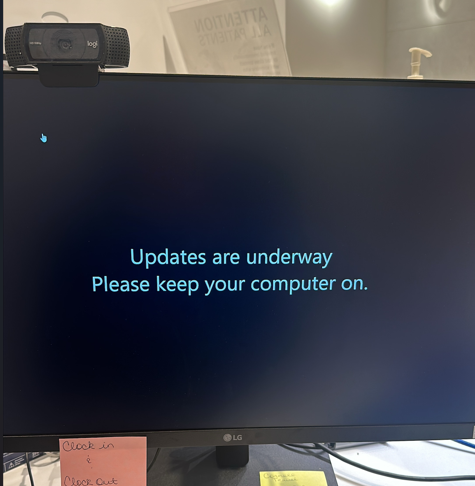
In a recent remote access scam incident a user was asked to install ScreenConnect and then reboot, and the screen above appeared.
Here are a couple other types of related remote access management scams:
Tech support scams: Tech support scams might start with a warning about a problem with your computer. You might get a pop-up warning that looks like it’s from a real company and urges you to call a phone number to get help. Or you might get a call or text from a scammer who pretends they’re a tech from a well-known company.
If one of these tech support impersonators gets you on the phone, they’ll ask for remote access to your computer and pretend to scan it for viruses. They may claim to find a malicious program and offer to remove it for a fee. Once you give money to the scammers, it’s very hard to get it back.
Job recruitment scams: In recent months, recruitment platforms LinkedIn and Indeed have warned of growing number of job scams. In these scams, victims are sent fake job listings, invited to interview by fake recruiters, and are then tricked into downloading normal-looking interview tools that are laced with malicious software that let hackers take control of the victim’s personal information.
In one case, a victim was invited on LinkedIn to take part in a job interview process and downloaded a file which turned out to be malicious. Within hours the hackers had drained his crypto accounts of nearly 24,000 dollars. A cyber-security researcher who investigated the attack commented on how hard scams like this are to spot. "This wasn't a badly written email with a suspicious attachment - this person was walked through what looked like a real job interview, on real Google pages, behind a real Google login, and the software they were asked to install was digitally signed like any legitimate app."
How to keep hackers out of your business
Some of these attempts are so realistic and convincing, it’s difficult to discern what’s real. Here are some rules of thumb to protect yourself and your information:
- Don’t Grant Remote Access: Only allow remote access to your computer when you’re certain you’re dealing with a legitimate support service that you have contacted directly. Legitimate tech companies won’t contact you by phone, email, or text message to tell you there’s a problem with your computer. Real security pop-up warnings and messages will never ask you to call a phone number. If a tech support scammer contacts you, tell the FTC at ReportFraud.ftc.gov.
- Verify the source: Before taking any action, verify the identity of the person or organization contacting you. This includes verifying that the company and job you’re discussing are real and doing thorough research before engaging in talks. Use official websites or trusted contact methods to confirm legitimacy. LinkedIn posted advice on its website about how to spot recruitment scams.
- Hang up: Scammers often use urgency or scare tactics to pressure you. If you feel rushed or threatened, hang up or close the communication immediately.
What if they got in?
If you inadvertently granted remote access to someone you suspect is a bad actor, follow these steps:
- Disconnect from the internet by turning off Wi-Fi or unplugging the Ethernet cable.
- Close any active remote sessions and completely uninstall the remote-management software.
- Contact your bank or financial institution immediately to report fraudulent transfers or request chargebacks.
- Change your passwords for banking, email, and sensitive accounts using a completely separate, trusted device.
- Report the crime to local authorities or fraud reporting centers (such as the FTC or FBI).
Sources:
https://www.bitdefender.com/consumer/support/answer/106620/
https://consumer.ftc.gov/articles/how-spot-avoid-and-report-tech-support-scams
https://www.bbc.com/news/articles/crk3xd8j3k5o
October is National Cybersecurity Awareness Month, an annual collaborative effort between government and industry to ensure we have the resources you need to maintain your security online. Throughout October, we’ll be sending you tips on protecting your information and avoiding malicious attempts to extract your personal data. Visit its.weill.cornell.edu/cybersecurity for more info.